Sympathy for the Devil
The Transgressive Impulse in Rock Music
see also The Romantic Impulse in Popular Music
Embracing what society calls the Shadow Side of Life, not for the sake of repentance, but for the sake of celebration and play.
|
The Lyre of Orpheus: Popular Music, the Sacred and the Profaneby Christopher Partridge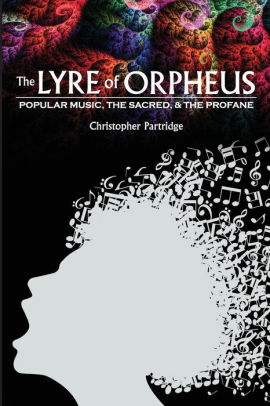
"He shows how popular music's power to move, to agitate, to control listeners, to shape their identities, and to structure their everyday lives is central to constructions of the sacred and the profane. In particular, he argues that popular music can be important 'edgework,' challenging dominant constructions of the sacred in modern societies."
|
Excerpts from the Lyre of Orpheus
A Transgressive Embrace of the ProfaneIn a world addicted to surface, to consumption, to all that distances the reality of death and decay, Gothic will not let us pretend. In a culture that trades in a desire for the body beautiful, that insists on white-toothed happiness as normative, that promotes the received bodily canon, Gothic’s transgressive embrace of the profane... The Goth Impulse“Gothic” in popular music indicates the construction of particular affective spaces informed by reflection on a world of sadness, pain, death, and the dis-ease at the heart of modern life. It is a way of prising open the fissures that run through the modern world by refusing to respect the boundaries that distinguish darkness and light, death and life, sickness and health, past and present. As such, it is a useful way of reading the transgressive and excessive in popular music....Gothic transports us to a de-sanitized, premodern affective space in which the ecstasy of sex and the horror of death are never far apart—sex finds its telos, not in life and the body enhanced, but in defilement, decrepitude, and destruction. |
Conspicuous EdgeworkPopular music is fundamentally transgressive. It may articulate faith, hope, and love in largely innocuous and mundane ways, but it often, though not always, tends to do this from within the contested spaces of the modern world. ..., much popular music is conspicuous edgework: “Sex and drugs and rock and roll/ Is all my brain and body need.” Why Transgression?“civilization” that produced Zyklon B, that has been complicit in the industrial slaughter of humans, in the factory farming of animals, in the alienating systems of modernity, in the abuses and injustices of patriarchal religion and society, in the exploitation and degradation of sexual commodification, in global injustice, and in the rape of the planet, can hardly be considered socially and morally advanced. As such, the transgressive discourses of the liminal cultures of popular music fulfill an important role in the contestation of the sacred in the modern world. |
Against Christianism and
|